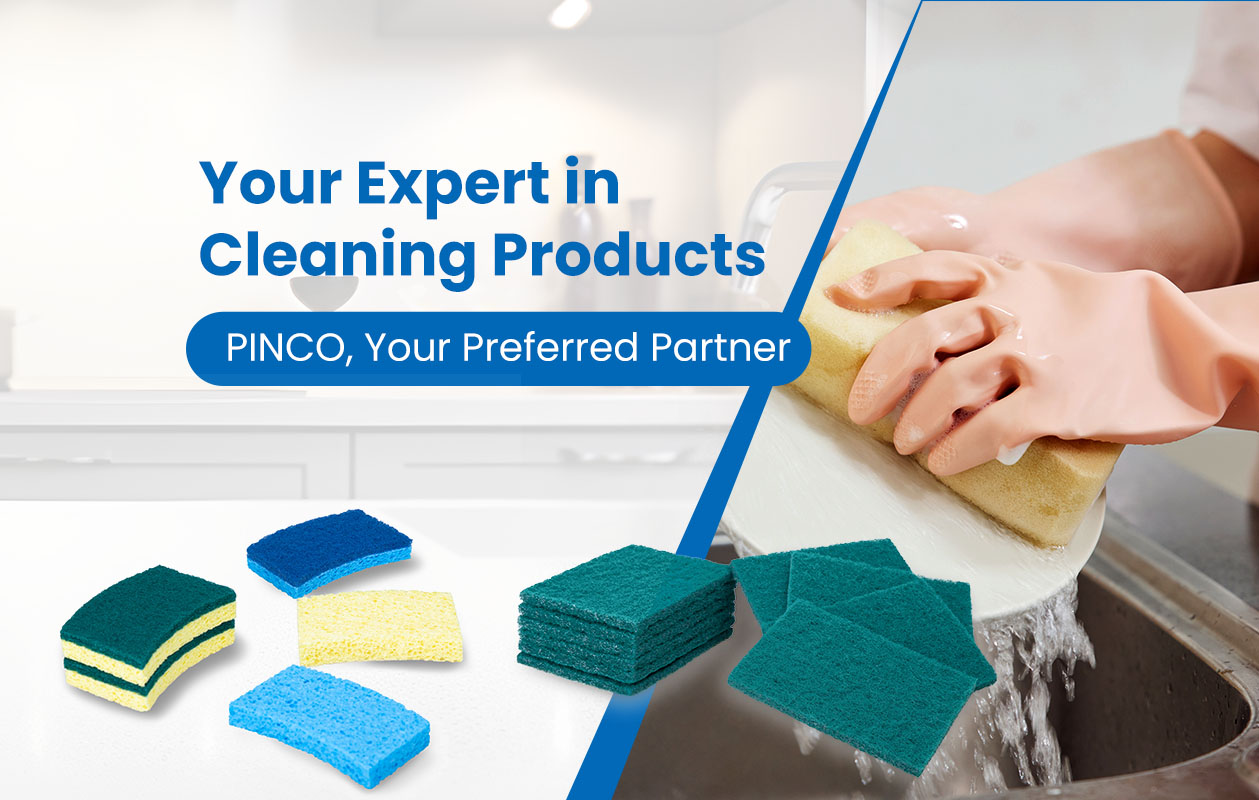
Soft Sponge is better for surface protection because it provides gentle cleaning with lower scratching risk, while abrasive sponge offers stronger stain removal for durable surfaces.
The main difference between soft sponge and abrasive sponge is the surface texture, cleaning strength, and intended application.
Soft sponge features a smooth and flexible structure designed for gentle wiping, water absorption, and daily cleaning. It is commonly used on surfaces where maintaining appearance is important.
Abrasive sponge includes a rougher cleaning layer that increases friction and improves the ability to remove stubborn dirt, grease, and buildup.
Both sponge types have value, but selecting the wrong type may affect surface appearance and cleaning efficiency.
The sponge surface directly influences how cleaning force interacts with different materials.
Soft sponge reduces friction during cleaning, making it suitable for:
Delicate surfaces
Finished materials
Coated products
Smooth household items
Abrasive sponge increases mechanical cleaning power through its rough surface structure, helping remove:
Heavy grease
Stubborn stains
Burnt residue
Hardened dirt
However, higher abrasion may increase the risk of scratches on sensitive surfaces.
Soft sponge provides better surface protection because its flexible structure creates gentler contact with the cleaning surface.
It is commonly used for:
Glass products
Ceramic items
Stainless steel surfaces
Coated kitchen equipment
Delicate household materials
Soft sponge helps remove dirt while reducing unnecessary friction.
Abrasive sponge is more suitable for durable surfaces where stronger cleaning action is required.
| Comparison Factor | Soft Sponge | Abrasive Sponge |
|---|---|---|
| Surface Texture | Smooth and flexible | Rough cleaning layer |
| Cleaning Strength | Gentle | Strong |
| Scratch Risk | Lower | Higher depending on surface |
| Stain Removal | Light to medium dirt | Heavy stains and buildup |
| Surface Protection | Excellent | Limited on delicate surfaces |
| Best Application | Sensitive surfaces | Durable surfaces |
Yes. Abrasive sponge is better for tough stains because the rough surface creates stronger friction.
Typical applications include:
Kitchen grease removal
Heavy cookware cleaning
Industrial residue removal
Bathroom buildup cleaning
The abrasive layer helps loosen contaminants that soft materials may not remove effectively.
However, users should confirm surface compatibility before applying abrasive materials.
Soft sponge is better when cleaning requires protection and frequent use.
Common applications include:
Daily kitchen cleaning
Household maintenance
Surface wiping
Food preparation areas
Advantages include:
Gentle cleaning action
Reduced scratching risk
Comfortable handling
Suitable for repeated use
For surfaces where appearance quality matters, soft sponge provides a safer cleaning solution.
The choice depends on the stainless steel finish.
Soft sponge is usually recommended for:
Polished stainless steel
Decorative surfaces
Appliances with visible finishes
because it reduces the chance of surface marks.
Abrasive sponge may be suitable for:
Heavy-duty stainless steel equipment
Commercial kitchen surfaces
Industrial stainless steel applications
where removing buildup is more important than maintaining a polished appearance.
Abrasive sponge generally provides stronger grease removal because it combines friction with cleaning agents.
It is effective for:
Cooking oil residue
Burnt food deposits
Heavy kitchen stains
Soft sponge can also remove grease when used with suitable detergents but focuses more on safe daily cleaning.
For professional kitchens, different sponge types may be selected based on cleaning stage and surface condition.
Durability depends on material quality and cleaning conditions.
Soft sponge often experiences less structural stress because it is used for gentler cleaning tasks.
Abrasive sponge may wear faster because the rough layer gradually breaks down during heavy scrubbing.
Important durability factors include:
Foam density
Material quality
Usage frequency
Cleaning pressure
Storage conditions
Choosing the correct sponge type helps maximize product lifespan.
The better value depends on the cleaning purpose.
Soft sponge provides better value for:
Daily maintenance
Surface protection
Frequent cleaning
Abrasive sponge provides better value for:
Heavy stain removal
Deep cleaning tasks
Durable surfaces
Using the correct sponge for each application can reduce unnecessary surface damage and replacement costs.
Yes. Both sponge types can support OEM and private label cleaning product development.
Manufacturers can customize:
Foam density
Sponge size
Abrasive layer strength
Product shape
Packaging design
Brand labeling
Customized sponge solutions allow cleaning brands to develop products for different markets and application requirements.
The right choice depends on surface sensitivity, cleaning intensity, and application environment.
Choose soft sponge for:
Delicate surfaces
Daily cleaning
Surface protection
Frequent maintenance
Choose abrasive sponge for:
Tough stains
Heavy grease
Deep cleaning
Durable surfaces
For protecting valuable surfaces, soft sponge provides safer performance. For removing