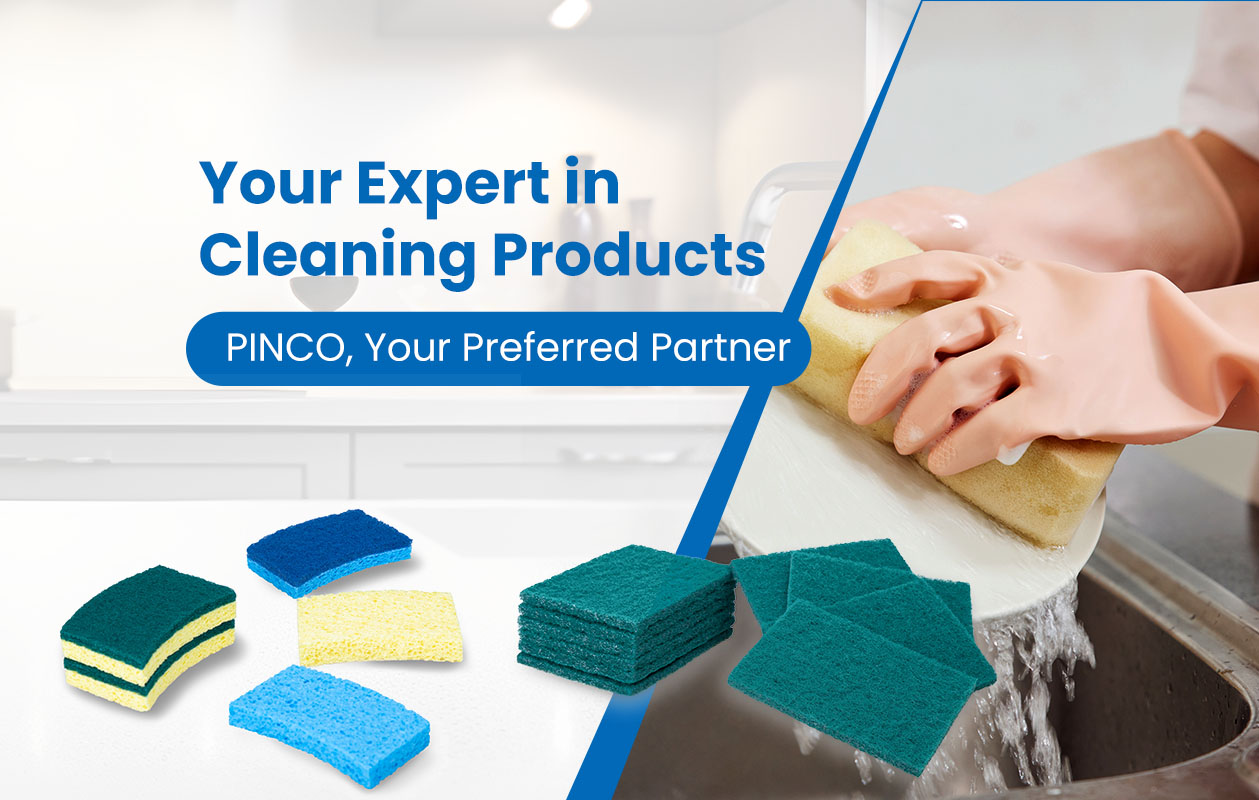
Melamine Sponge removes stains more effectively because its fine foam structure provides stronger cleaning ability without requiring heavy chemical cleaners, while traditional sponge is better for general washing and liquid absorption.
The main difference between melamine sponge and traditional sponge is the material structure, cleaning mechanism, and application purpose.
Melamine sponge is made from melamine foam with a micro-abrasive structure. Its open-cell foam creates a fine cleaning surface that helps remove marks, dirt, and surface residue through gentle physical friction.
Traditional sponge is usually made from polyurethane foam or similar materials. It is designed mainly for water absorption, wiping, and everyday washing tasks.
Both sponge types are useful cleaning tools, but they solve different cleaning problems.
Sponge material determines how dirt interacts with the cleaning surface.
Melamine sponge works through a microscopic abrasive effect. When used with water, the foam structure helps remove:
Scuff marks
Pencil marks
Soap residue
Surface stains
Dirt buildup
Traditional sponge mainly works through:
Water absorption
Detergent application
Surface wiping
The difference in cleaning mechanism makes melamine sponge more effective for certain stubborn stains.
Melamine sponge provides better stain removal performance because its fine foam structure can lift surface marks that ordinary wiping cannot remove.
Common applications include:
Wall marks
Shoe marks
Kitchen stains
Bathroom residue
Plastic surface dirt
Appliance marks
The microstructure acts like a very fine polishing material, allowing users to remove stains with minimal additional cleaning products.
Traditional sponge is better suited for removing loose dirt, grease, and liquid residue rather than embedded marks.
| Comparison Factor | Melamine Sponge | Traditional Sponge |
|---|---|---|
| Main Material | Melamine foam | PU foam or similar materials |
| Cleaning Method | Micro-abrasive action | Absorption and wiping |
| Stain Removal | Excellent for surface marks | Good for general dirt |
| Chemical Requirement | Often lower | Usually requires detergent |
| Durability | Lower with repeated friction | Higher for washing tasks |
| Best Application | Stain removal | Daily cleaning |
No. Melamine sponge should be selected carefully because its cleaning action is based on fine abrasion.
It is suitable for many durable surfaces, including:
Tiles
Plastic products
Glass surfaces
Stainless steel surfaces
Painted surfaces with proper testing
However, it may not be suitable for:
High-gloss coatings
Delicate finishes
Waxed surfaces
Soft materials
Before using melamine sponge on sensitive surfaces, testing on a small area is recommended.
Traditional sponge is better when the main requirement is washing, absorption, and repeated daily use.
Typical applications include:
Dish cleaning
Kitchen washing
Bathroom cleaning
Surface wiping
Liquid absorption
Traditional sponges can hold large amounts of water and cleaning solution, making them practical for routine cleaning operations.
For tasks involving large amounts of moisture, traditional sponge often provides better efficiency.
Traditional sponge is often better for grease cleaning because it works effectively with detergents and can absorb oily liquids.
Common uses include:
Kitchen utensils
Cooking surfaces
Food preparation areas
General washing tasks
Melamine sponge can remove some grease marks from surfaces, but it is not designed primarily for absorbing large amounts of oil or liquid.
For kitchen cleaning, many professional users combine sponge washing with microfiber wiping to achieve better results.
Traditional sponge generally provides better durability for repeated washing because its structure is designed for frequent compression and water absorption.
Melamine sponge is effective for stain removal but gradually wears down during use because the foam structure breaks away as it removes dirt.
Durability depends on:
Usage frequency
Surface roughness
Cleaning pressure
Storage conditions
Material quality
The right sponge choice depends on whether cleaning power or repeated usage is more important.
The better long-term value depends on the cleaning purpose.
Melamine sponge provides better value for:
Occasional stain removal
Difficult marks
Targeted cleaning tasks
Traditional sponge provides better value for:
Daily cleaning
Frequent washing
Large-area moisture cleaning
For professional cleaning programs, selecting different sponge types according to application can reduce waste and improve efficiency.
Yes. Both sponge products can support OEM and private label development.
Manufacturers can customize:
Sponge size
Density
Shape design
Packaging style
Color options
Brand printing
Customized sponge solutions allow cleaning brands to develop products for different markets and cleaning requirements.
The choice depends on the type of cleaning task.
Choose melamine sponge for:
Stubborn stains
Surface marks
Detailed cleaning
Spot treatment
Choose traditional sponge for:
Daily washing
Liquid absorption
General cleaning
Frequent use
For removing difficult stains, melamine sponge provides stronger cleaning performance through its unique foam structure. For everyday cleaning and washing tasks, traditional sponge offers better durability and practicality.