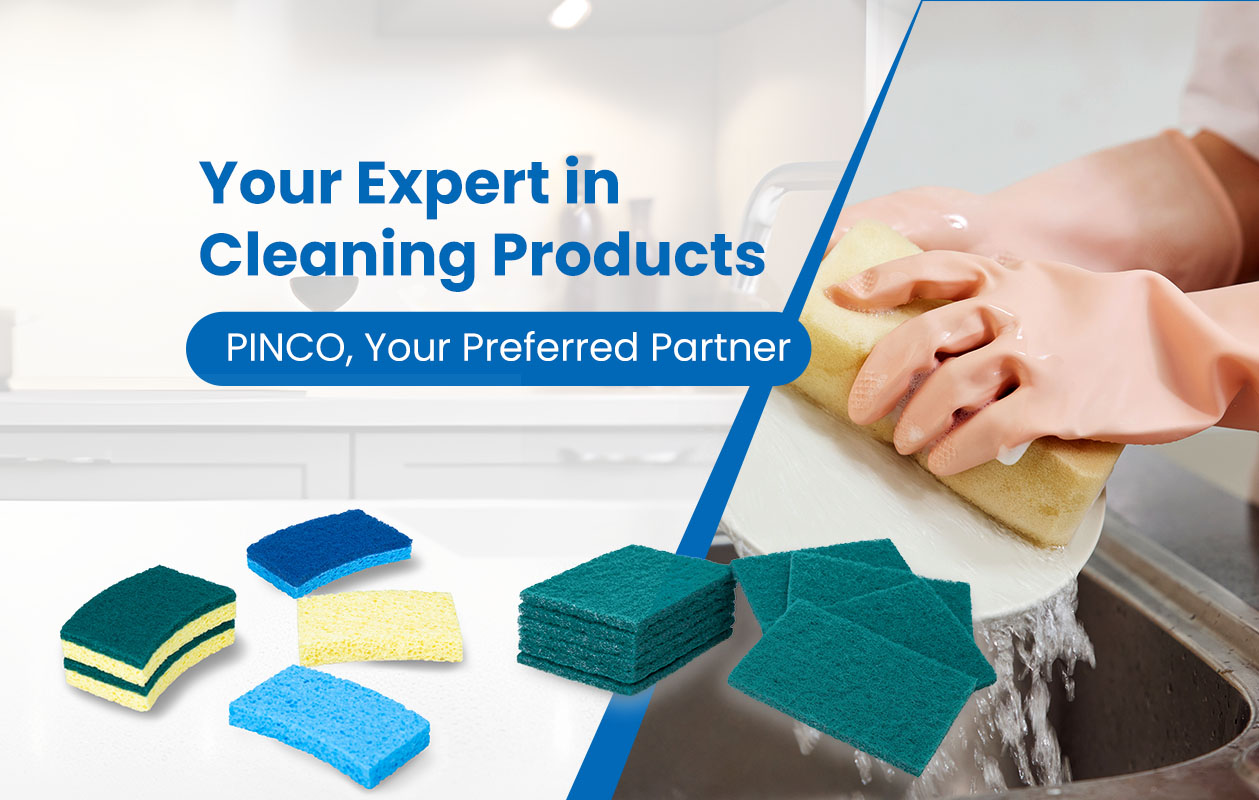
OEM cleaning pad development is not just about making a sample that looks right. The real challenge is moving from concept to approved bulk production without losing consistency in material, structure, packaging, and export readiness. That is why the first milestone should always be supplier type. A true manufacturer can manage material selection, line adjustment, testing, traceability, and shipment release in one system. PINCO presents itself as a factory with a 20,000 square meter facility and two main Scouring Pad production lines, which gives stronger control over development and approval than a trader-led supply model.
The project starts with a complete brief covering use scenario, pad size, thickness, abrasive level, color, packaging, and target market. At this stage, buyers should also confirm whether the supplier has direct production capability, not only sales support. This is where manufacturer vs trader becomes critical. A factory can review whether the requested specification matches actual material behavior and production limits, which helps avoid later sample revisions and approval delays. PINCO’s factory profile and integrated line setup support this kind of direct technical evaluation.
Before sample approval, the factory should lock the material route. For cleaning pads, that usually means confirming fiber type, abrasive structure, bonding method, thickness tolerance, and cutting format. These material standards directly affect cleaning performance and durability. PINCO’s published technical content highlights control over chemical materials, structural stability, and post-bonding inspection, which shows that material review is part of its manufacturing process rather than a separate afterthought.
A sample should be approved only after measurable checks, not visual review alone. Key quality control checkpoints include dimension accuracy, density consistency, abrasive feel, bonding strength, and packaging fit. PINCO states that its inspection laboratory uses abrasion testers, pressure testing devices, microscopes, and measurement tools to verify durability and structural stability. For OEM approval, this matters because a visually similar pad can still fail in repeated-use performance or batch consistency.
Once the sample is approved, the next milestone is mass production readiness. This includes batch traceability, inspection records, packing accuracy, and shipment planning. PINCO notes that its laboratory also supports batch testing and sampling verification, which is important when bulk supply programs need repeatable output across multiple orders rather than one successful trial run.
Export market compliance must be checked before final approval, especially when products include bonded materials or chemical components. The European Commission states that REACH is the EU regulation on Registration, Evaluation, Authorisation and Restriction of Chemicals, that it entered into force in 2007, and that responsibility is placed on industry to assess and manage chemical risks and provide appropriate safety information. For OEM cleaning pad development, this makes compliance review a core approval milestone, not a final paperwork step.
| Milestone | What to confirm |
|---|---|
| Product brief | Size, thickness, abrasive level, packaging |
| Supplier evaluation | Real manufacturer, not trader |
| Material confirmation | Fiber, bonding, structure, tolerance |
| Sample approval | Lab-tested performance and consistency |
| Bulk readiness | Batch records, inspection, shipment control |
| Compliance | REACH-related material review |
For OEM cleaning pad programs, the safest approval path is a factory-led process with clear checkpoints from concept to shipment. PINCO’s integrated production lines, testing capability, and documented QC workflow make those milestones easier to control, which reduces development risk and improves bulk order stability.