
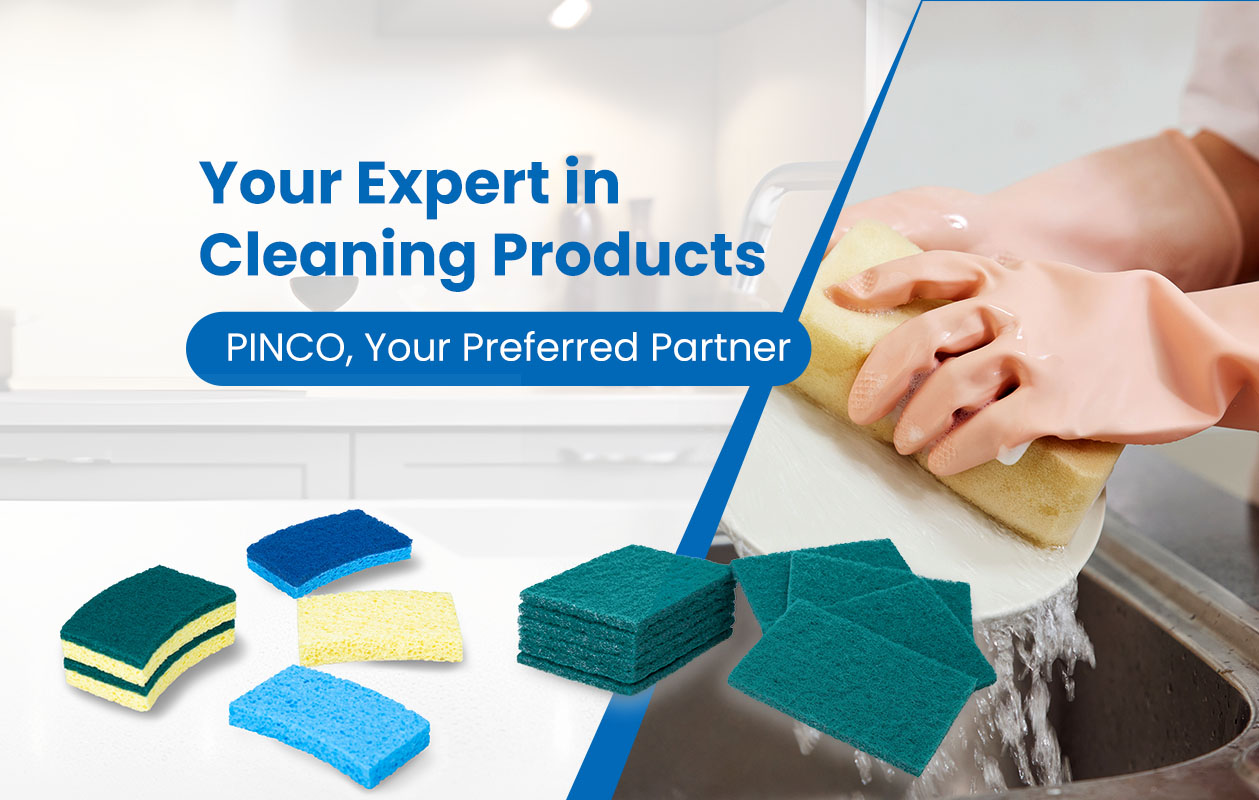
When cleaning tools such as Scouring Pads, cleaning Sponges, and abrasive scrubbers are exported to international markets, compliance with regulatory standards becomes an essential part of the manufacturing and sourcing process. Importers, distributors, and project buyers expect suppliers to meet environmental, safety, and labeling requirements to ensure products can enter their markets without regulatory risks.
For manufacturers like PINCO, which produces cleaning pads and related cleaning tools through integrated production lines, export compliance is supported through structured quality control procedures, raw material inspection, and documentation systems that track production and material usage.
CE Marking Considerations
The CE mark is widely recognized in the European market and indicates that a product meets relevant safety and regulatory requirements established within the European Economic Area. Although many cleaning pads and sponges are considered low-risk household products, certain cleaning tools that involve additional components or packaging systems may still require compliance verification under applicable directives.
For manufacturers exporting to European buyers, maintaining documented production procedures and traceable material sourcing is important. Clear documentation allows buyers to verify that the product meets applicable standards and that manufacturing processes follow recognized quality management practices.
Factories operating under structured quality management systems are better prepared to support compliance documentation when required by importers.
RoHS Environmental Requirements
RoHS regulations focus on restricting the use of hazardous substances in manufactured products. While the directive is commonly associated with electronic equipment, many buyers still request RoHS-compliant materials to ensure that cleaning tools do not contain restricted chemical substances.
In cleaning pad production, this requirement mainly affects dyes, adhesives, bonding agents, and polymer materials used in foam substrates and synthetic fibers. Manufacturers must verify that raw materials do not contain restricted substances and that suppliers provide supporting documentation for material safety.
Material inspection and supplier verification therefore become key parts of the compliance process.
Safety Labeling And Product Identification
Safety labeling plays an important role in export market compliance. Cleaning products distributed through retail channels often require clear product identification, usage guidance, and packaging information. Labels may include product description, material information, manufacturing origin, and handling recommendations.
Accurate labeling helps distributors manage inventory, ensures proper product usage by consumers, and supports regulatory transparency in international trade.
For bulk supply orders, packaging inspections confirm that cartons and retail packages contain correct product identification and packing information before shipment.
Manufacturing Documentation And Traceability
Export compliance is closely connected to manufacturing documentation. Buyers may request production records, inspection reports, material specifications, and traceability data to confirm product quality and regulatory alignment.
PINCO maintains structured quality control procedures supported by an inspection laboratory equipped with abrasion testers, pressure testing equipment, microscopes, and other evaluation tools. These systems allow the factory to verify product durability and maintain consistent production records for export orders.
Traceable production batches and documented inspection results also help manufacturers respond quickly to buyer inquiries regarding product quality or material safety.
Conclusion
Export market compliance for cleaning tools involves multiple elements including material safety, environmental standards, proper labeling, and traceable production documentation. Standards such as CE-related safety requirements, RoHS material restrictions, and accurate product labeling help ensure that cleaning products meet regulatory expectations in international markets.
For buyers sourcing cleaning pads and cleaning tools in large quantities, working with a manufacturer that maintains structured quality control systems, documented production records, and controlled material selection provides greater assurance that products will meet export compliance requirements and maintain consistent quality across shipments.