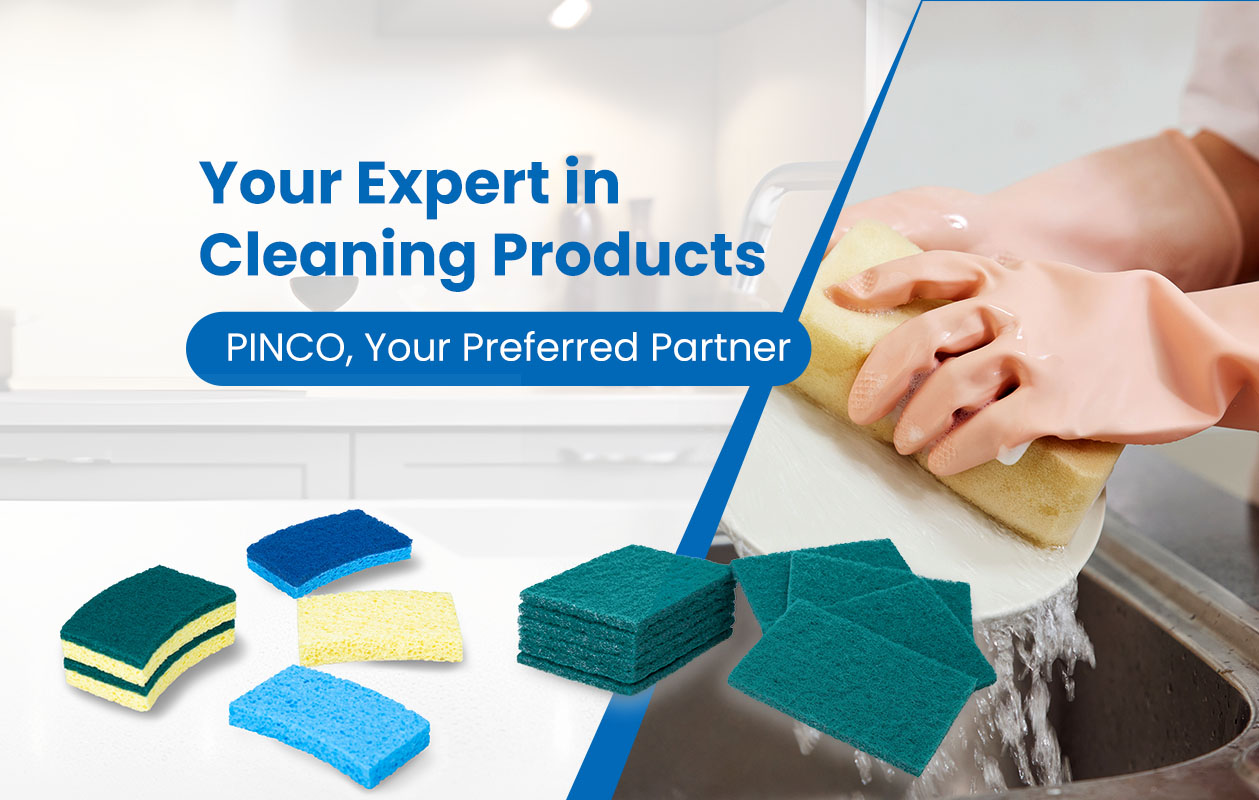
Yes — biodegradable Scouring Pads can be an effective alternative to traditional synthetic versions, particularly for environmentally conscious users and facilities aiming to reduce plastic waste. However, their suitability depends on cleaning demands, surface types, durability expectations, and lifecycle cost. This guide explains how biodegradable pads perform, where they excel, and where synthetic pads remain the better choice.
Biodegradable scouring pads are typically made from natural or bio-derived fibers such as:
These materials are capable of breaking down more readily in composting or soil environments compared to petroleum-derived polymers in synthetic pads.
Biodegradable pads:
Break down faster in composting or landfill conditions
Reduce reliance on fossil-based plastics
Lower long-term environmental burden
For facilities with sustainability goals or green certifications, this is a major advantage.
Synthetic scouring pads shed plastic fibers during use and disposal. Biodegradable pads reduce this risk because the fibers are plant-based and degrade naturally.
This helps:
Protect waterways
Reduce particulate pollution
Align with eco-friendly operational standards
For typical home or light commercial cleaning—like dishwashing, countertop wiping, and light residue removal—biodegradable pads can:
Absorb detergents well
Remove moderate soils
Provide adequate abrasion for light buildup
Many users report performance similar to entry-level synthetic pads in these applications.
Using biodegradable pads can support green initiatives and enhance public reputation, especially in hospitality, foodservice, and facility management programs that highlight eco-friendly practices.
Biodegradable materials tend to:
Wear out faster
Soften more quickly when wet
Tear under aggressive scrubbing
For heavy soil, baked residues, or industrial cleaning, they typically do not last as long as synthetic abrasive pads.
Plant-based fibers are more vulnerable to:
Strong alkaline degreasers
Acidic descalers
High-temperature water or steam cleaning
This makes them less suited for:
Industrial grease removal
Heavy machine degreasing
Continuous sanitization cycles
Synthetic pads are engineered with precise fiber distribution and bonding. Biodegradable pads, due to natural material variability, often show greater variability in:
Abrasive strength
Surface feel
Cleaning performance
This inconsistency matters more in professional or high-demand environments.
Because they wear faster, biodegradable pads often require:
More frequent replacement
Larger quantities in stock
Higher consumable turnover
This can offset environmental benefits in high-volume cleaning scenarios.
Light to moderate food residue and daily dish cleaning.
Routine surface cleaning where heavy grease is not common.
Where sustainability practices are prioritized and cleaning demands are moderate.
When environmental claims are part of product positioning.
Machines, production lines, and tough grease removal require the durability and chemical resistance of synthetic pads.
In high-intensity kitchens, factories, or restaurants with heavy residues and sanitation standards.
Where pad lifespan affects labor and inventory cost.
When selecting between biodegradable and synthetic scouring pads, consider the following:
| Factor | Biodegradable Pads | Synthetic Pads |
|---|---|---|
| Environmental impact | Lower | Higher |
| Durability | Medium to Low | High |
| Heavy soil removal | Moderate | Excellent |
| Chemical/heat resistance | Limited | Strong |
| Cost per use | Higher (frequent replacement) | Lower (longer life) |
If you choose biodegradable options:
Match pad grade to task (light abrasion for light soil)
Avoid excessive force on highly soiled surfaces
Pair with appropriate detergents for best performance
Compost or recycle responsibly after use
Biodegradable scouring pads are a viable and effective alternative to synthetic ones in many everyday cleaning scenarios and sustainability-focused applications. They offer environmental benefits and adequate performance for light to moderate soils, especially in residential and light commercial environments.
However, when cleaning demands are heavy, repetitive, or industrial in scale, synthetic industrial-grade scouring pads remain superior in durability, chemical resistance, and cost-per-use performance.
Choosing between biodegradable and synthetic pads should be based on cleaning intensity, surface sensitivity, sustainability goals, and overall operational cost structure, not on a single attribute alone.