
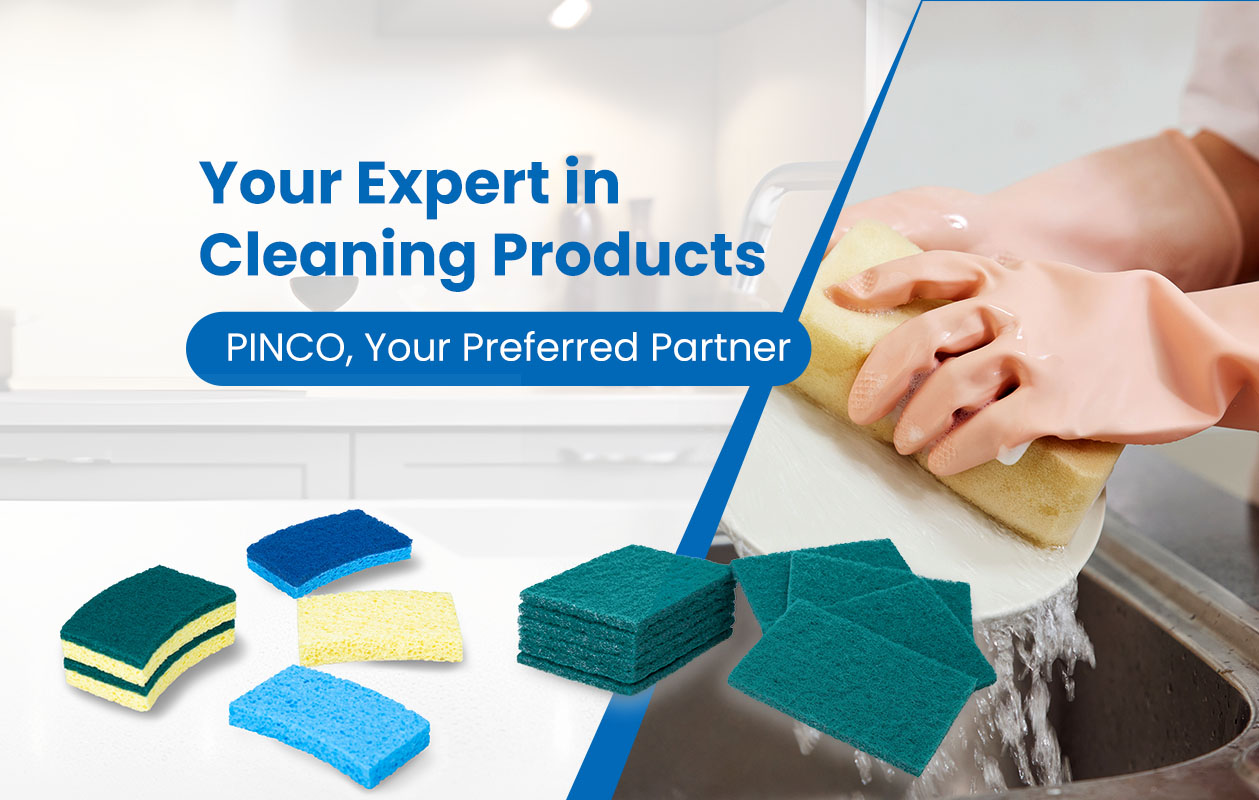
Industrial Scouring Pads are used in factories, food processing plants, commercial kitchens, automotive workshops, and maintenance facilities, where cleaning tools are part of a controlled operational system. As a result, certifications are not just marketing labels—they are risk-control mechanisms that demonstrate material safety, manufacturing discipline, and regulatory alignment.
Below is a structured overview of the key certifications and compliance standards industrial scouring pads should meet, depending on their application environment and target market.
1. ISO 9001 – Quality Management System
Foundation For Industrial Consistency
ISO 9001 is the most fundamental certification expected of industrial scouring pad manufacturers.
It demonstrates that the manufacturer has:
Standardized production processes
Controlled raw material sourcing
Defined inspection and quality control procedures
Batch consistency and corrective action systems
For industrial buyers, ISO 9001 is often a minimum requirement, ensuring stable supply and repeatable performance.
2. Food-Contact Safety Compliance (For Food And Hygiene Applications)
When scouring pads are used in food processing or commercial kitchens, additional food-safety-related compliance is required.
FDA Compliance (United States)
For products entering or used in the U.S. food environment, materials should comply with requirements enforced by the Food and Drug Administration.
This typically means:
Raw materials suitable for food-contact or food-adjacent use
No toxic additives or harmful residues
Support for sanitation and hygiene programs
Even if pads do not directly contact food, compliance is often required for audit acceptance.
NSF / ANSI Food Equipment & Sanitation Expectations
While scouring pads themselves may not always be NSF-certified products, many food plants expect cleaning tools to align with NSF hygiene principles, including:
Cleanable, non-shedding materials
Color coding for cross-contamination control
Compatibility with sanitation protocols
This is especially important in regulated food environments.
3. REACH Compliance (European Union)
Chemical Safety For Industrial Materials
For Industrial Scouring Pads sold into the EU, REACH compliance is critical.
REACH ensures:
No restricted hazardous substances
Controlled use of chemicals in fibers, resins, and abrasives
Safer handling for workers and end users
REACH compliance is often required even for non-food industrial cleaning tools.
4. RoHS Compliance (When Required By Buyers Or Industries)
Although traditionally associated with electronics, RoHS compliance is sometimes requested for Industrial Scouring Pads used in:
Electronics manufacturing
Clean assembly environments
Export projects with strict material declarations
RoHS limits heavy metals and hazardous substances, supporting broader environmental compliance.
5. BSCI Or Social Compliance Audits
Responsible Manufacturing Expectations
Large industrial buyers increasingly require evidence of ethical production.
BSCI audits demonstrate:
Legal labor practices
Workplace safety
Responsible supply chain management
While not product-specific, BSCI compliance is often part of supplier qualification for global industrial clients.
6. Material Safety Documentation (MSDS / SDS)
Supporting Safe Industrial Use
Industrial scouring pads should be supported by:
Safety Data Sheets
Material composition disclosures
Handling and disposal guidance
This documentation is essential for:
Workplace safety compliance
Customer audits
Chemical management systems
Even non-chemical products are often expected to have SDS documentation.
7. Color-Coding And Hygiene System Compatibility
Compliance With Sanitation Programs
In food, pharmaceutical, and healthcare environments, scouring pads are expected to support:
Color-coded cleaning systems
Zone separation and cross-contamination control
While not a formal certificate, this requirement is often written into:
HACCP-based sanitation programs
Customer audit checklists
Internal SOPs
Pads that support these systems are easier to approve and deploy.
8. Internal Performance And Durability Standards
Buyer-Specific Industrial Specifications
Many industrial buyers also require:
Abrasion consistency testing
Fiber shedding control
Heat and chemical resistance verification
These are often validated through:
Internal test reports
Customer-specific specifications
Third-party lab testing when required
Certification alone is not sufficient without performance validation.
Common Misconception To Avoid
A frequent misunderstanding is that one certificate fits all uses. In reality:
Food processing environments prioritize food-safety compliance
EU markets prioritize chemical regulations
Industrial maintenance focuses on durability and safety documentation
Correct certification depends on where and how the scouring pad is used.
Practical Certification Summary
| Application | Key Certifications / Compliance |
|---|---|
| General industrial cleaning | ISO 9001 |
| Food processing & kitchens | ISO 9001 + FDA alignment + hygiene compatibility |
| EU industrial markets | ISO 9001 + REACH |
| Electronics / clean environments | ISO 9001 + RoHS (if required) |
| Global supply chains | ISO 9001 + BSCI |
| All industrial uses | SDS / material safety documentation |
Final Perspective
Industrial scouring pads should comply with quality management, material safety, chemical regulation, and social responsibility standards appropriate to their application and market. ISO 9001 forms the backbone, while FDA, REACH, RoHS, and hygiene-related expectations apply depending on use environment.
For industrial buyers, certifications are not just paperwork—they are indicators of manufacturing discipline, risk control, and long-term supplier reliability. Selecting certified, compliant scouring pads helps protect equipment, workers, products, and the integrity of the entire cleaning system.