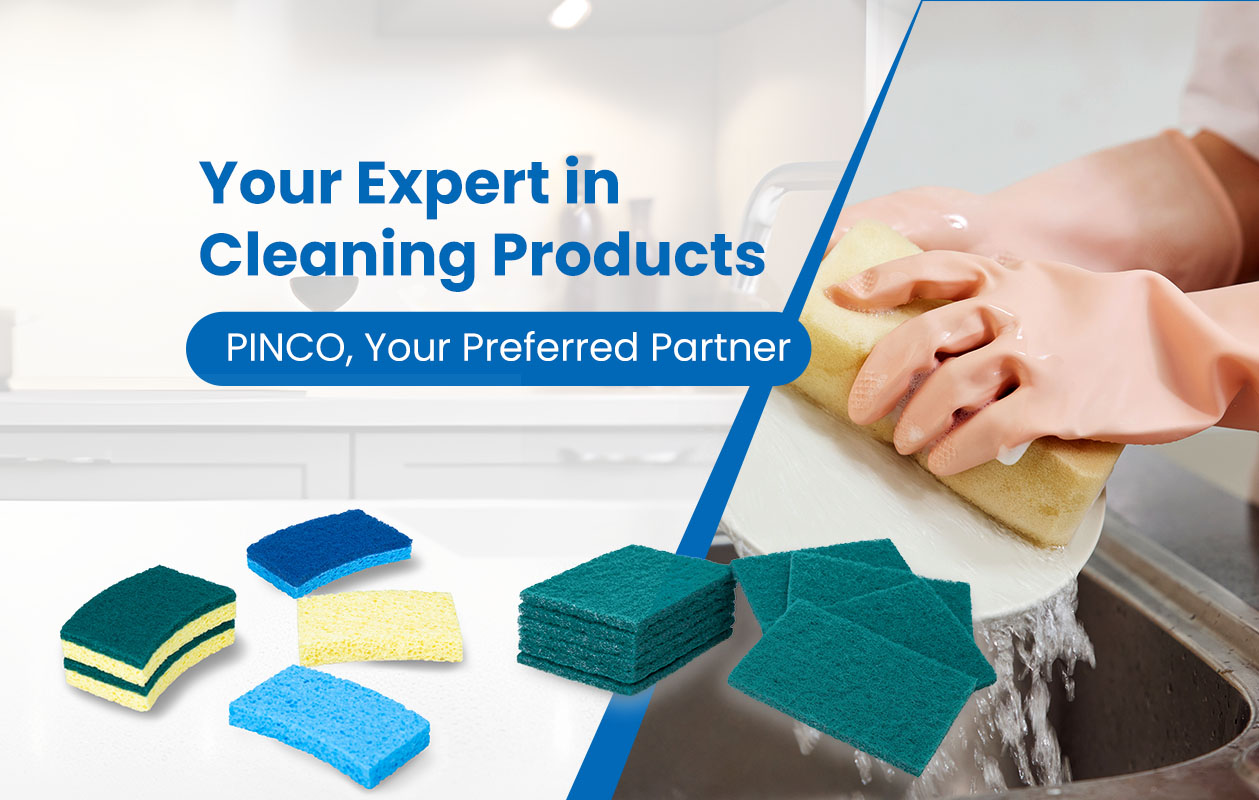
Yes. Scouring Pads can be customized specifically for automotive and marine cleaning, and in many professional applications, customization is not optional but necessary. Vehicles and marine equipment involve a wide range of sensitive and durable surfaces—from painted panels and clear coats to stainless steel fittings and fiberglass hulls. Standard household scouring pads are often unsuitable, but purpose-designed and customized scouring pads can deliver effective cleaning while minimizing surface damage.
Below is a structured explanation of how scouring pads are customized for automotive and marine use, and why customization matters.
Automotive and marine surfaces present unique challenges:
Painted and clear-coated finishes scratch easily
Fiberglass and gelcoat surfaces dull under excessive abrasion
Salt, algae, fuel residue, and oxidation require stronger cleaning action
Large surface areas demand consistent, controlled abrasion
Using generic pads risks surface damage, premature wear, and inconsistent results.
Customization starts with precise abrasiveness selection.
Ultra-fine to fine grades
Used for painted automotive surfaces, clear coats, headlights, and interior trim.
Medium grades
Suitable for wheel rims, exhaust tips, engine bays, and marine deck surfaces.
Heavy-duty grades
Applied to rust removal, propellers, metal fittings, and non-cosmetic marine hardware.
Correct abrasiveness ensures cleaning power without unnecessary surface damage.
Different environments require different pad materials.
Automotive-focused pads often use:
Soft synthetic fibers with controlled abrasive bonding
Low-lint structures for detailing work
Marine-focused pads may use:
Saltwater-resistant fibers
Materials that maintain performance when wet
Fibers that resist degradation from UV exposure
Material choice directly affects durability and finish quality.
Customization may include:
Single-layer pads for precise surface control
Dual-layer pads combining abrasion and absorption
Thicker pads for hull and deck cleaning
Thin, flexible pads for contours, seams, and tight spaces
Structural design improves ergonomics and cleaning efficiency.
Automotive and marine cleaning often benefits from non-standard shapes.
Examples include:
Round or contoured pads for polishing and detailing
Long, narrow pads for railings, seams, and joints
Large-format pads for hull sides and deck surfaces
Custom shapes reduce fatigue and improve coverage.
Professional users often require:
Color coding to separate tasks
Dedicated pads for paint, metal, glass, or fiberglass
Visual differentiation to prevent cross-use
This supports workflow efficiency and surface protection.
Customized scouring pads are commonly used for:
Brake dust removal from alloy wheels
Oxidation removal on metal trim
Headlight surface preparation before polishing
Engine bay degreasing on non-painted components
Automotive pads prioritize surface safety and finish consistency.
In marine environments, customized pads are used for:
Removing algae and biofouling from hulls
Cleaning non-slip deck surfaces
Polishing stainless steel rails and fittings
Removing salt residue and oxidation
Marine pads emphasize wet performance, durability, and corrosion resistance.
Customized scouring pads can be engineered to withstand:
Strong degreasers
Acidic descalers
Alkaline marine cleaners
Chemical resistance ensures pad integrity and consistent performance during intensive cleaning.
Reduced risk of scratching or dulling
Improved cleaning speed and consistency
Longer service life in demanding environments
Better ergonomics for professional use
Lower long-term cost through reduced surface damage
Customization aligns the tool with the task, rather than forcing the task to fit the tool.
When sourcing customized scouring pads for automotive or marine use, consider:
Target surfaces and acceptable finish change
Wet vs dry usage conditions
Chemical exposure during cleaning
Desired pad lifespan and replacement cycle
Branding, packaging, and bulk supply needs
Clear application definition leads to better customization outcomes.
Using overly aggressive pads on painted or gelcoat surfaces
Assuming one pad can handle all automotive or marine tasks
Ignoring wet-use performance requirements
Mixing pads across different surface types
These mistakes often lead to surface damage and rework costs.
Scouring pads can and should be customized for automotive and marine cleaning when performance, surface protection, and efficiency matter. By tailoring abrasiveness, materials, structure, shape, and chemical resistance, customized scouring pads deliver reliable cleaning results without compromising valuable surfaces.
For professional automotive detailing and marine maintenance, customization transforms scouring pads from generic abrasives into precision cleaning tools designed for demanding, real-world conditions.