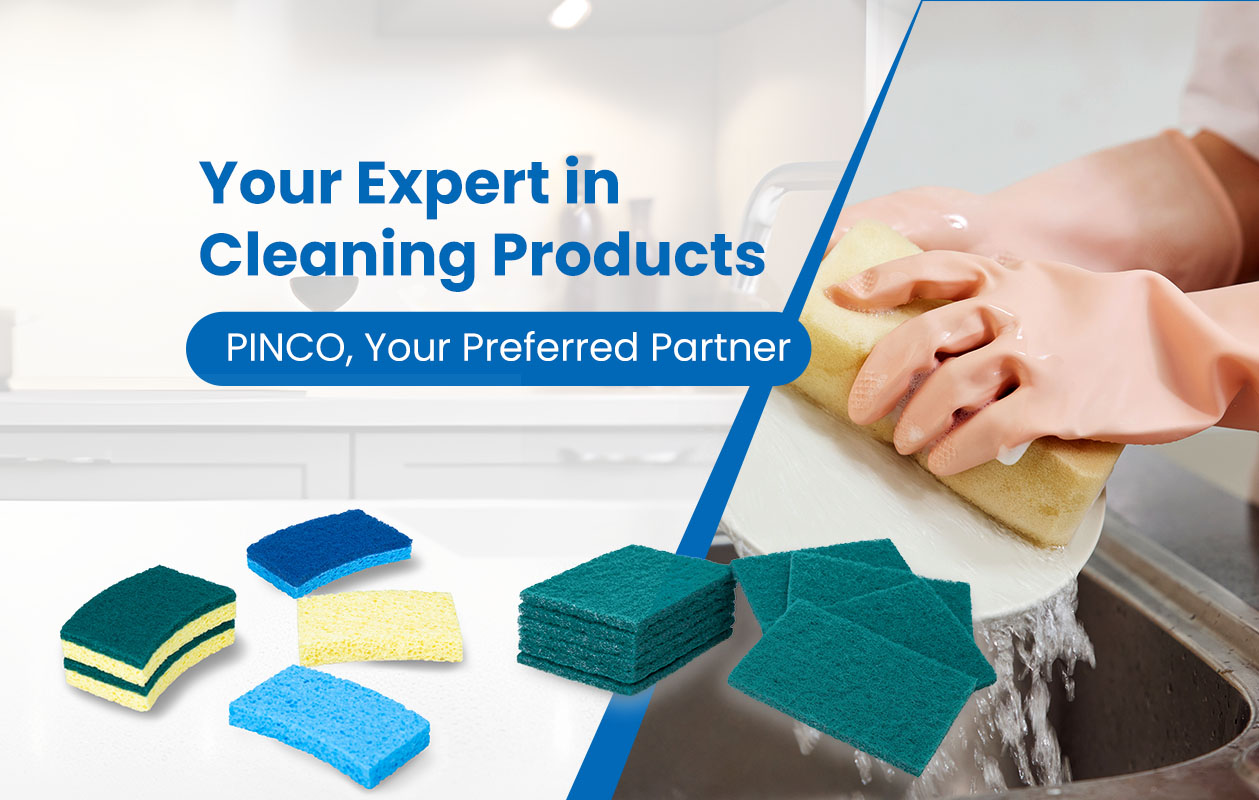
In commercial kitchens, hygiene is not only about appearance—it is about food safety, regulatory compliance, and risk control. Scouring Pads play a critical role in maintaining hygiene standards because they provide controlled mechanical cleaning that removes contamination which detergents and water alone cannot eliminate. When correctly selected and managed, scouring pads become an essential part of a professional kitchen’s sanitation system.
Food residues such as:
Burnt proteins
Grease films
Sugar deposits
Starch buildup
can adhere strongly to cookware, prep tables, sinks, and equipment surfaces. These residues create micro-environments where bacteria can survive and multiply, even after chemical cleaning.
scouring pads help by:
Physically breaking down hardened residue
Exposing the surface for effective rinsing and sanitizing
Preventing biofilm formation on frequently used surfaces
Without mechanical abrasion, many hygiene risks remain invisible.
Sanitizers are only effective on clean surfaces. If grease or food film remains, sanitizers cannot reach microorganisms underneath.
scouring pads ensure:
Complete soil removal before sanitizing
Better contact between sanitizer and surface
More reliable disinfection outcomes
This step is especially critical in high-risk zones such as raw food prep areas and cooking stations.
Most commercial kitchens rely heavily on stainless steel due to its hygienic properties. However, stainless steel only remains hygienic when its surface is smooth and clean.
Appropriate non-metallic scouring pads:
Remove stains and residues without damaging the surface
Preserve smooth finishes that resist bacterial adhesion
Help maintain long-term cleanability
Using pads that are too aggressive can scratch surfaces, creating permanent hygiene risks.
Many commercial kitchens use color-coded scouring pads to separate cleaning tasks by zone.
Typical practices include:
One color for food-contact surfaces
One color for raw ingredient areas
One color for sinks and drains
One color for floors and waste areas
This system reduces the risk of transferring bacteria from dirty zones to clean zones and supports food safety audits.
Scouring pads provide repeatable, measurable cleaning performance.
Benefits include:
Consistent residue removal across shifts
Reduced reliance on excessive chemicals
Easier staff training and supervision
This consistency is important for meeting internal hygiene standards and external inspections.
Scouring pads support:
Daily cleaning with fine, non-scratch pads
End-of-shift deep cleaning with medium-abrasive pads
Periodic intensive cleaning of heavily soiled equipment
Different abrasiveness levels allow kitchens to clean effectively without over-damaging surfaces.
Because scouring pads physically remove contamination, kitchens can often:
Use less aggressive chemicals
Reduce chemical residue risks
Lower overall chemical costs
This supports safer working conditions and cleaner food-contact environments.
Regular use of appropriate scouring pads:
Prevents buildup that leads to corrosion or damage
Keeps equipment functioning correctly
Reduces emergency deep-cleaning needs
Well-maintained equipment is easier to sanitize and less likely to fail hygiene inspections.
Scouring pads help hygiene only when properly managed. Risks arise if:
Pads are used on multiple zones without control
Worn or contaminated pads are reused
Pads are not rinsed and dried after use
Overly abrasive pads damage surfaces
Hygiene programs must include pad selection, usage rules, and replacement schedules.
Use non-metallic pads suitable for food environments
Assign pads by zone using color coding
Rinse thoroughly after each use
Allow pads to dry completely between uses
Replace pads regularly based on wear and hygiene policy
These practices maximize hygiene benefits while minimizing risk.
Scouring pads help maintain hygiene standards in commercial kitchens by:
Removing residues that support bacterial growth
Enabling effective sanitization
Supporting cross-contamination control
Improving cleaning consistency
Reducing chemical overuse
They are not just cleaning tools, but integral components of a kitchen’s food safety system.
In commercial kitchens, hygiene depends on what is removed, not just what is sprayed or rinsed. Scouring pads provide the essential mechanical action needed to eliminate stubborn contamination, protect food-contact surfaces, and support sanitation protocols.
When correctly selected, properly assigned, and hygienically managed, scouring pads play a quiet but indispensable role in maintaining the cleanliness, safety, and compliance that professional food service operations depend on every day.