
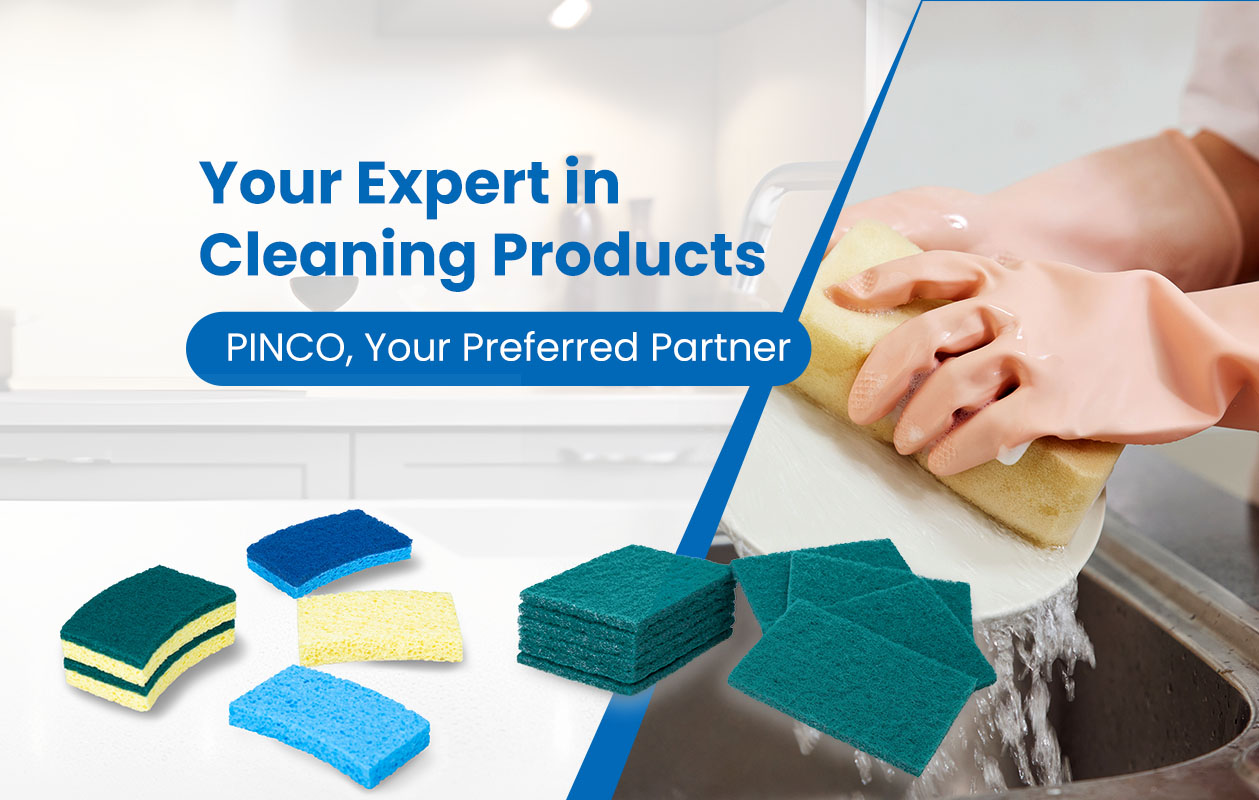
Yes, Scouring Pads can remove burnt food and oil residue effectively, but their success depends on pad type, surface material, residue severity, and cleaning method. Burnt-on food and polymerized oil are among the toughest kitchen contaminants, and scouring pads are specifically designed to address this kind of stubborn buildup through controlled abrasion.
However, effectiveness does not mean “use any pad on any surface.” Used correctly, scouring pads are one of the most efficient tools for this task; used incorrectly, they can cause permanent damage.
Why Burnt Food And Oil Are Hard To Remove
Burnt food and oil residue differ from normal grease:
Burnt food becomes carbonized and bonds tightly to surfaces
Overheated oil polymerizes, forming a hard, varnish-like layer
Heat causes residue to embed into microscopic surface pores
Water and detergents alone often cannot break these bonds. Mechanical action is required.
How Scouring Pads Remove Burnt Residue
Mechanical Abrasion Is The Key
Scouring pads work by:
Physically breaking the bond between residue and surface
Gradually lifting carbonized layers
Allowing detergents to penetrate and dissolve loosened grease
This combination of abrasion and chemistry is why scouring pads outperform soft Sponges on burnt messes.
Effectiveness By Surface Type
Stainless Steel Cookware
Scouring pads are highly effective on stainless steel.
They can remove:
Burnt food layers
Dark oil stains
Heat discoloration buildup
Non-metallic or stainless-compatible pads are ideal. Moderate pressure is usually sufficient.
Cast Iron And Carbon Steel
Scouring pads can remove burnt residue, but caution is required.
Considerations:
Abrasion can strip seasoning layers
Best used for heavy buildup followed by re-seasoning
Use controlled pressure and avoid unnecessary over-scrubbing.
Enamel-Coated Cookware
Effectiveness depends on residue severity.
Light to moderate burnt residue: suitable with fine non-metallic pads
Heavy buildup: risk of dulling enamel
Always test first and avoid aggressive pads.
Nonstick Surfaces
Scouring pads are not recommended.
Even mild abrasives can:
Scratch coatings
Reduce nonstick performance
Shorten cookware lifespan
For nonstick pans, use non-abrasive tools instead.
Role Of Pad Type In Effectiveness
Non-Metallic Abrasive Pads
Best balance of cleaning power and surface safety.
Advantages:
Strong enough for burnt residue
Lower scratch risk
Suitable for most metal cookware
These are the most versatile option for kitchens.
Dual-Layer Scouring Pads
Highly effective for burnt food removal.
Benefits:
Abrasive side loosens residue
Sponge side wipes away loosened grease
Better control during cleaning
They reduce the need for tool switching during cleanup.
Metal Scouring Pads
Very aggressive and highly effective, but limited in safe use.
Suitable only for:
Bare stainless steel
Heavy-duty industrial cookware
Not suitable for coated or decorative surfaces.
Importance Of Detergent And Pre-Soaking
Scouring pads work best when combined with proper preparation.
Best practice:
Soak cookware in warm water with detergent to soften residue
Apply detergent directly to the burnt area
Use the scouring pad with steady, even pressure
Pre-soaking significantly reduces effort and surface stress.
Common Mistakes That Reduce Effectiveness
Scrubbing dry, without detergent
Using excessive force instead of repeated passes
Choosing overly aggressive pads for the surface
Scrubbing while cookware is still very hot
These mistakes increase damage risk without improving results.
Signs Scouring Pads Are Doing Their Job
Effective cleaning typically shows:
Gradual lifting of residue rather than flaking
Dark residue transferring onto the pad
Surface becoming smoother without deep scratches
If residue is not loosening at all, soaking time or detergent strength may need adjustment.
When Scouring Pads Are Not Enough
In extreme cases of carbon buildup:
Extended soaking may be required
Specialized degreasers may be needed
Controlled use of stronger abrasive tools may be unavoidable
Even then, scouring pads are usually the first and safest step.
Practical Summary
| Situation | Effectiveness |
|---|---|
| Burnt food on stainless steel | Very effective |
| Polymerized oil residue | Very effective |
| Heavy carbon buildup | Effective with soaking |
| Nonstick cookware | Not recommended |
| Coated or delicate surfaces | Limited, caution required |
Final Perspective
Scouring pads are one of the most effective tools for removing burnt food and oil residue when used correctly. Their abrasive action breaks down hardened deposits that detergents alone cannot handle. The key to success lies in matching the pad type to the surface, using proper soaking and detergent support, and applying controlled pressure.
When treated as a precision cleaning tool rather than a brute-force solution, scouring pads deliver fast, reliable results without unnecessary damage—making them indispensable in both household and professional kitchens.