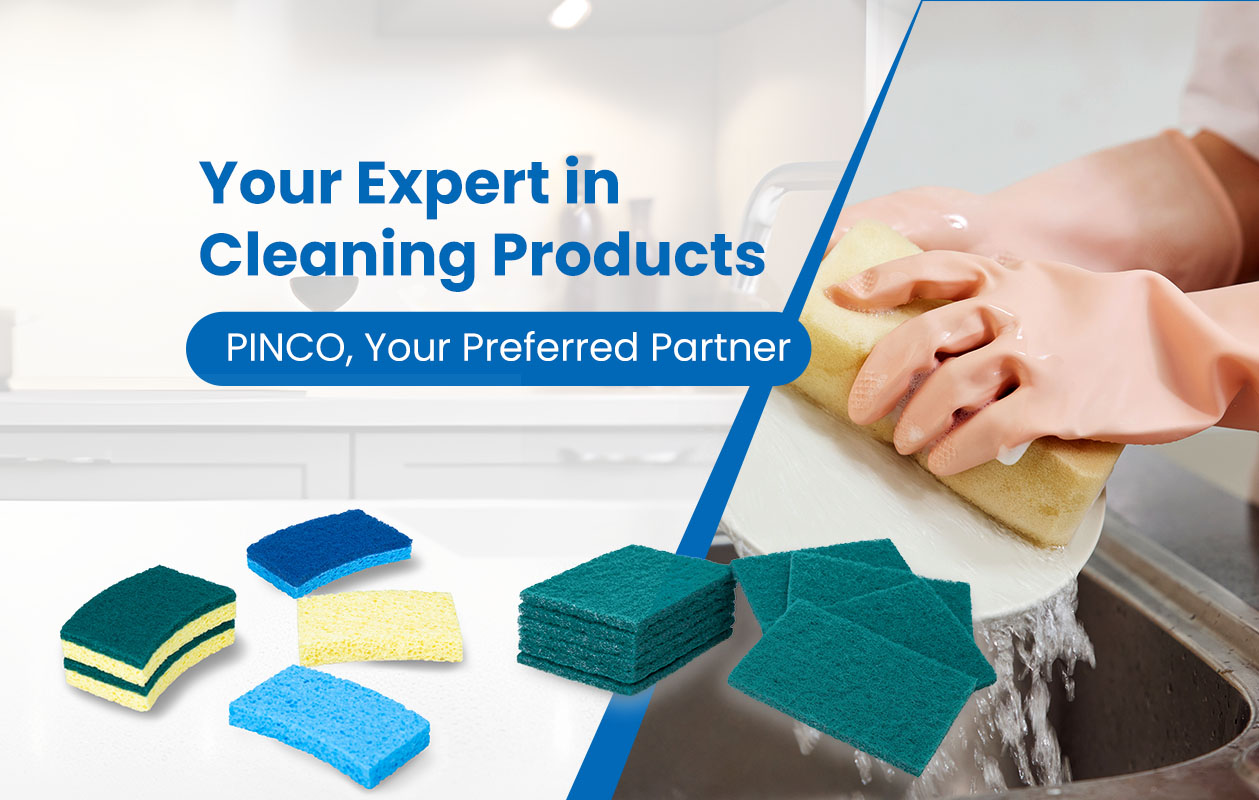
Scouring Pads are widely used for removing stubborn residue, but their performance on glass and ceramic surfaces depends heavily on the type of pad, surface finish, and cleaning purpose. When chosen and used correctly, scouring pads can be effective and safe. When used incorrectly, they can cause permanent surface damage.
This article explains how scouring pads interact with glass and ceramic surfaces, what works well, what does not, and how to avoid common cleaning mistakes.
Before evaluating performance, it is important to understand the nature of the surfaces.
Glass is hard but brittle, with a smooth surface that shows scratches easily under abrasion
Ceramic surfaces vary widely, ranging from glazed tiles to unglazed or textured ceramics
scouring pads rely on mechanical abrasion, so surface finish matters as much as surface hardness.
Scouring pads are not recommended for most glass surfaces.
Although glass is hard, it scratches easily. Even fine abrasives can leave micro-scratches that reduce clarity and create a hazy appearance over time.
Using scouring pads on glass can result in:
Permanent fine scratches
Loss of transparency
Light scattering that looks like clouding
Increased attraction of dirt and water marks
These issues are especially visible on:
Shower glass panels
Mirrors
Glass tabletops
Windows
Once scratched, glass cannot be restored through cleaning.
In rare industrial or maintenance scenarios, very fine non-metallic pads may be used on:
Heavily soiled industrial glass
Non-visual glass surfaces
Even then, testing on a hidden area is essential.
Ceramic performance depends strongly on whether the surface is glazed or unglazed.
Glazed ceramic tiles have a hard, protective surface layer.
Scouring pads can perform well for:
Removing soap scum
Cleaning mineral deposits
Scrubbing textured or matte glazed tiles
Best results come from non-metallic, fine to medium-grade scouring pads, used with moderate pressure.
Unglazed ceramics are more vulnerable.
Potential risks include:
Surface dulling
Abrasion marks
Increased porosity leading to future staining
On these surfaces, scouring pads should be used cautiously and only when softer tools fail.
These are the safest and most commonly suitable option for ceramic surfaces.
They offer:
Controlled abrasion
Lower scratch risk
Better compatibility with glazed finishes
They should always be the first choice for tile cleaning.
Metal pads, including steel-based products, are not suitable for glass or ceramic surfaces.
They can:
Scratch glazing
Leave metal residue
Cause rust staining on grout and tile
Metal scouring pads are designed for cookware, not architectural surfaces.
Textured ceramic tiles tolerate abrasion better than smooth or polished finishes.
Higher abrasiveness increases cleaning power but also increases damage risk.
Using a proper cleaner reduces the need for aggressive scrubbing.
Excessive force causes damage faster than pad choice alone.
Always confirm the tile type before using a scouring pad
Start with the least abrasive option available
Apply cleaning solution first to soften residue
Use light, consistent pressure
Rinse thoroughly after cleaning
Test on a small, hidden area before full application
These steps greatly reduce the risk of surface damage.
Using scouring pads on glass expecting scratch resistance
Using metal pads on ceramic tiles
Applying excessive pressure to speed up cleaning
Reusing worn pads that have hardened debris embedded
These mistakes often cause irreversible damage.
Glass surfaces: Scouring pads generally perform poorly and pose a high scratch risk. Avoid routine use.
Glazed ceramic surfaces: Non-metallic scouring pads perform well when used correctly.
Unglazed ceramics: Use with caution and only when necessary.
Scouring pads are effective tools, but only when matched to the correct surface and used with proper technique.
Scouring pads can deliver excellent cleaning results on ceramic surfaces, especially glazed tiles and textured finishes, but they are unsuitable for most glass applications. Understanding surface properties, choosing the correct pad type, and applying controlled cleaning methods are essential to achieving effective results without causing damage.
Used responsibly, scouring pads remain a valuable tool in both household and commercial cleaning environments.