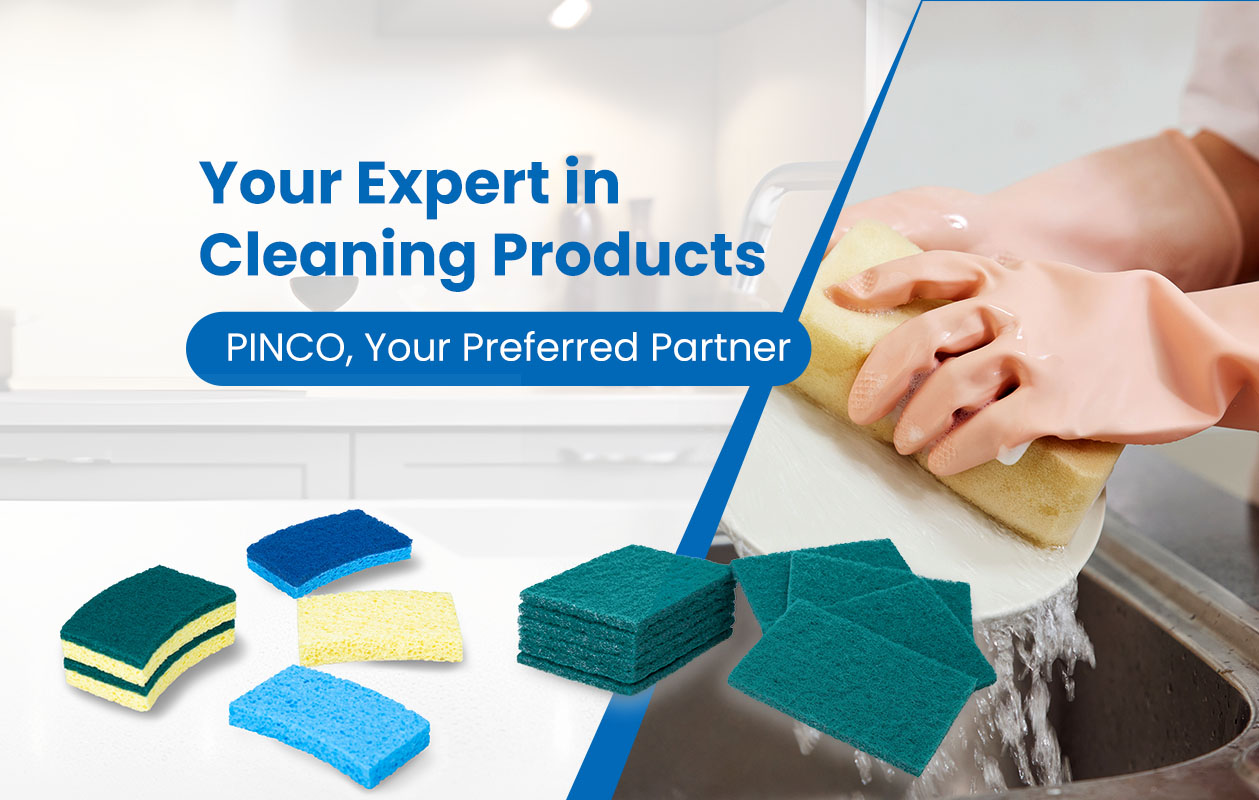
Scouring Pads are commonly associated with kitchen cleaning, but many users also consider them for bathroom and tile maintenance. The answer is yes, scouring pads can be used for bathroom and tile cleaning, but only when the pad type, surface material, and cleaning goal are correctly matched. Used improperly, scouring pads can damage finishes; used correctly, they can be highly effective at removing stubborn buildup.
This article explains when scouring pads are suitable, when they are not, and how to use them safely in bathroom and tile cleaning applications.
Scouring pads are abrasive cleaning tools made to remove adhered dirt, scale, soap residue, and mineral deposits through mechanical friction. Their effectiveness depends on:
Abrasive material type
Pad density and hardness
Surface compatibility
Not all scouring pads are the same, and not all bathroom surfaces can tolerate abrasion.
Glazed ceramic and porcelain tiles are generally durable and can tolerate light to medium abrasion.
Scouring pads can be effective for:
Removing soap scum buildup
Cleaning mineral deposits from hard water
Scrubbing textured or anti-slip tile surfaces
Best practice is to start with non-metallic, fine-grade scouring pads and test on a small area first.
Grout is porous and traps dirt easily. Scouring pads are useful for:
Removing embedded grime
Lifting mildew residue after applying cleaner
Restoring grout appearance before sealing
Pads with moderate abrasiveness can improve results compared to soft Sponges alone, especially on older grout.
Textured shower bases and floor tiles often collect residue that soft tools cannot remove.
Scouring pads help:
Reach surface crevices
Break down hardened soap films
Improve hygiene in high-contact areas
Use controlled pressure to avoid unnecessary wear.
Materials such as marble, granite, limestone, and travertine have polished finishes that scratch easily.
Using scouring pads on these surfaces can:
Dull the shine
Leave permanent scratches
Increase long-term staining risk
For natural stone, non-abrasive pads or soft Brushes are safer.
Bathtubs, shower enclosures, and wall panels made from acrylic or fiberglass are vulnerable to abrasion.
Scouring pads may:
Scratch the surface
Create dull patches
Make future cleaning more difficult
Soft sponges or microfiber tools are recommended instead.
Chrome-plated and decorative metal surfaces can lose their finish if scrubbed aggressively.
Avoid scouring pads on:
Faucets
Shower handles
Decorative trim
Use non-scratch cloths to preserve surface coating.
Non-metallic scouring pads are the safest choice for bathroom and tile cleaning.
They offer:
Controlled abrasiveness
Lower scratch risk
Compatibility with common bathroom surfaces
They are suitable for tiles, grout, and general bathroom maintenance.
Steel wool and metal scrubbers are highly abrasive and prone to rust.
Common risks include:
Surface scratching
Rust residue stains on tiles and grout
Damage to coatings
Metal scrubbers are generally unsuitable for bathroom environments.
Confirm whether the surface is tile, stone, acrylic, or metal before choosing a pad.
Apply an appropriate bathroom cleaner to soften residue before scrubbing. This reduces the amount of force needed.
Avoid aggressive scrubbing. Let the pad do the work through consistent motion rather than force.
Remove loosened debris and cleaning residue to prevent redepositing dirt.
Always test on a small, hidden area when using a scouring pad on a new surface.
When used correctly, scouring pads offer several advantages:
Faster removal of stubborn buildup
Improved cleaning of textured surfaces
Reduced need for harsh chemicals
Better grout restoration results
These benefits make them practical tools for routine and deep bathroom cleaning.
Using the same pad on multiple surface types
Applying excessive force
Using metal pads on glazed or coated surfaces
Ignoring manufacturer recommendations for surface care
These mistakes often lead to unnecessary damage rather than better cleaning.
Scouring pads are effective tools for bathroom and tile cleaning when matched to the right surface and abrasiveness level. They work best on ceramic tiles, porcelain tiles, grout, and textured shower floors, but should be avoided on polished stone, acrylic, and decorative metal surfaces.
For households, hotels, and commercial cleaning environments, keeping multiple pad grades available allows safe and efficient cleaning across different bathroom surfaces.
Yes, scouring pads can be used for bathroom and tile cleaning—but they are precision tools, not universal solutions. Understanding surface materials, choosing the correct pad type, and using proper technique ensures effective cleaning without causing damage. When used thoughtfully, scouring pads are a valuable part of a balanced bathroom cleaning routine.